Tell us about your workloads, data volumes, performance requirements, and mission timeline. Our team will help define the right solution for your mission.
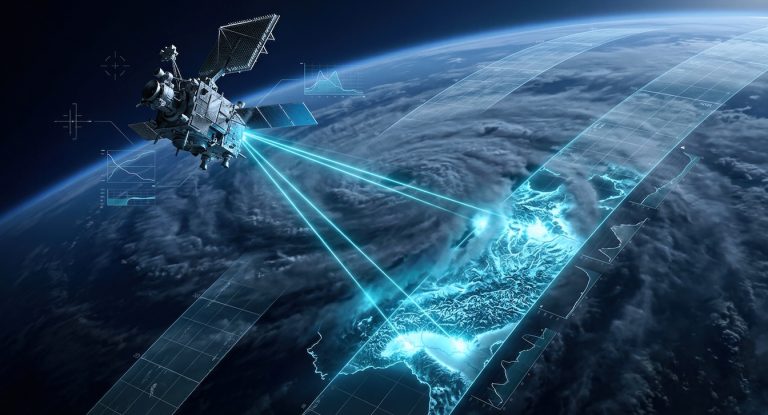
Kepler enables data to be processed and analyzed directly in orbit, accelerating decisions, reducing downlink demands, and supporting more autonomous mission operations.
Enabling the Future of Autonomous Space Systems
With bidirectional data relay up to 100 Gbps, standards-based interoperability, and global ground coverage, Kepler Connect moves data at the speed of the mission.
Enhanced Mission Autonomy
In-orbit edge processing allows spacecraft to analyze data and support decisions with less dependence on ground operations.
Low-Latency Data Processing
Process and store data in orbit, reducing transmission delays and delivering mission-critical intelligence sooner.
Imaging and AI Insights
Run image classification, object and change detection, and AI/ML inference directly where sensor data is generated.
Scalable/Flexible Architecture
Maintain continuous operations and resilient access with a constellation of interconnected satellites.
Multi-core CPUs with hardware acceleration for AI/ML inference
Space-grade storage for mission data
Interfaces for hosted payloads and Kepler’s optical relay network
Optimized for low power, high throughput
Leading-edge GPU technology
SOFTware
Secure, containerized environments
Remote orchestration and deployment
Real-time edge ML frameworks
Cloud-native interfaces with terrestrial integration
Built For High-Impact Mission
Kepler’s edge compute payloads are accessible from orbit and the Earth, when the space asset is connected to the Kepler Network. Customers can push updates, monitor performance, and manage workloads in orbit, just as they would on Earth.
Intelligence, Surveillance, and Reconnaissance
Process sensor data in orbit and prioritize critical information for faster delivery to decision-makers.
Space Domain Awareness
Analyze observations of orbital activity to accelerate detection, characterization, and threat assessment.
Tranche 1 Satellite bus
Earth Observation
Process high-volume imagery in orbit, filter unusable data, and deliver the most valuable information first.
Disaster Response
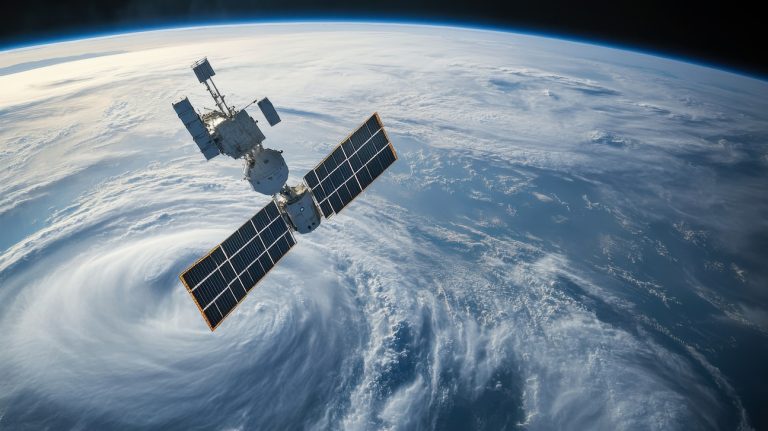
Detect and assess wildfires, severe weather, and other rapidly evolving events while response decisions can still make a difference.
Infrastructure for the Next Generation of Space Missions
Explore Kepler’s solutions in connectivity, on-orbit compute, and hosted payload capabilities that help customers move data faster, process intelligence closer to the source, and get their missions to orbit sooner.
Tell us about your orbit, data volumes, terminal requirements, and mission timeline. Our team will help define the right access and integration approach.