Kepler is issuing a call for payloads seeking persistent, real-time data streaming in Low Earth Orbit. Integration starts soon for the limited number of hosted payload slots remaining available across Kepler’s 2027 hosted missions and our Tranche 2 (T2) deployment in 2028. Formal payload selections are expected in Q1 2026.
Direct questions to | hosted@kepler.space
Kepler invites organizations in Intelligence, Surveillance and Reconnaissance (ISR), Space Domain Awareness and environmental monitoring, as well as emerging space technologies, to submit payload concepts for competitively priced hosted opportunities on upcoming Kepler missions, beginning with hosted launches in 2027 and expanding with the Hosted+ offering on T2 in 2028 and subsequent tranches launching approximately every two years.
By hosting payloads on Kepler’s always-connected optical cloud constellation, mission operators can bypass traditional communications bottlenecks and unlock persistent, real-time access to payload data, enabling continuous collection and real-time, live-streaming of high-volume data at a scale not achievable through conventional architectures.
Hosted payload opportunities are priced based on payload size, power, and integration complexity, with flexible agreement structures that combine hosting with access to Kepler’s real-time optical connectivity and on-orbit compute services. Hosted capacity is already being allocated, and available slots are limited. Swift integration timelines create a near-term opportunity for missions that are ready to engage and mature quickly.
With nearly a decade of proven on-orbit performance, Kepler has launched 33 satellites to date, demonstrating high-reliability operations, resilient infrastructure, and the ability to move massive volumes of data for commercial, civil, and national security users. Kepler’s recent tranche 1 launch marks the start of Kepler’s commercial real-time connectivity for LEO and the deployment of an optically interconnected space network designed to deliver real-time connectivity, unprecedented data
throughput, and advanced on-orbit computing. Kepler will deploy a new tranche of approximately ten satellites every two years, with T2 scheduled to deploy in early 2028, forming the backbone of a persistent orbital data transport layer.
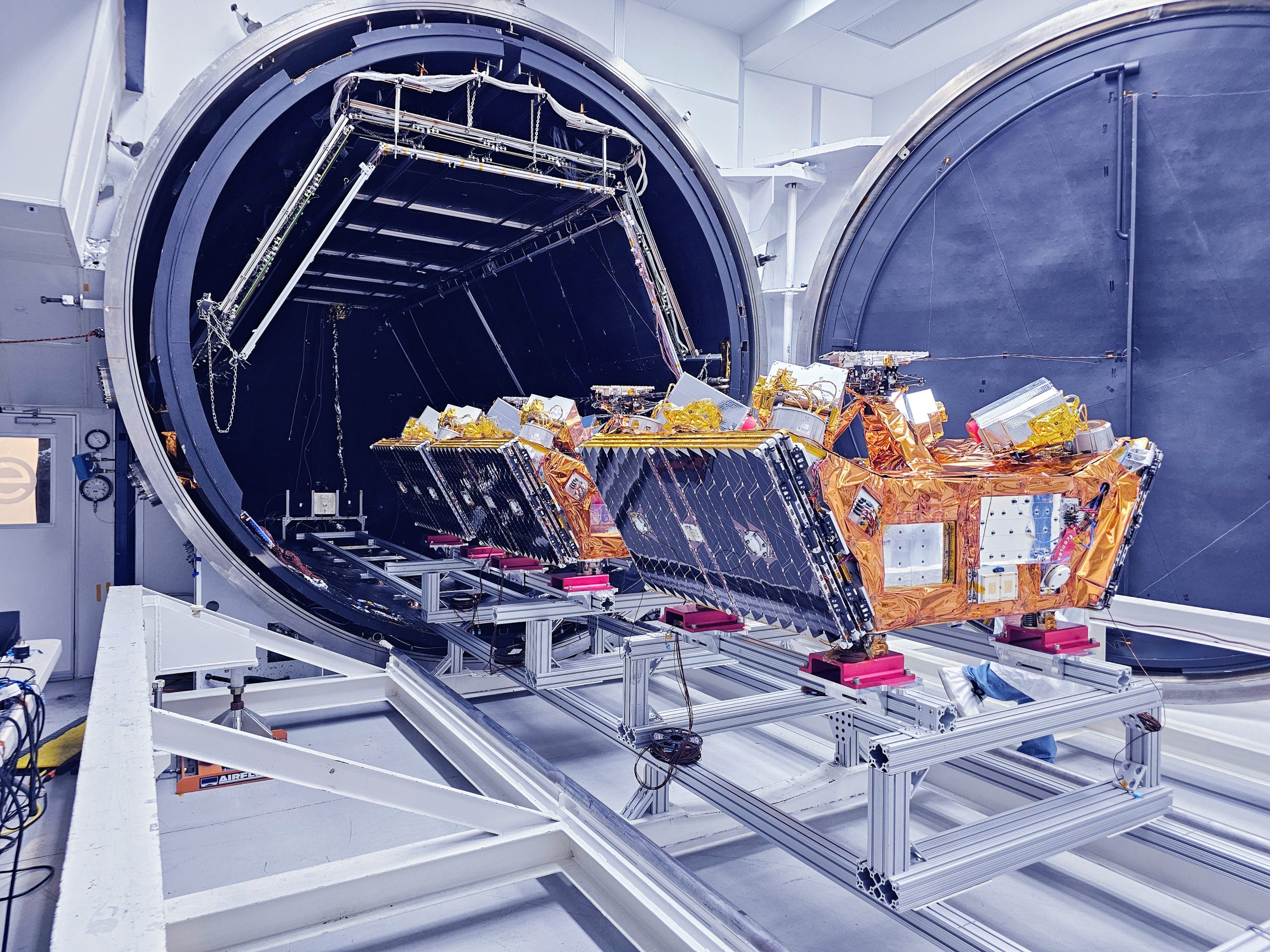
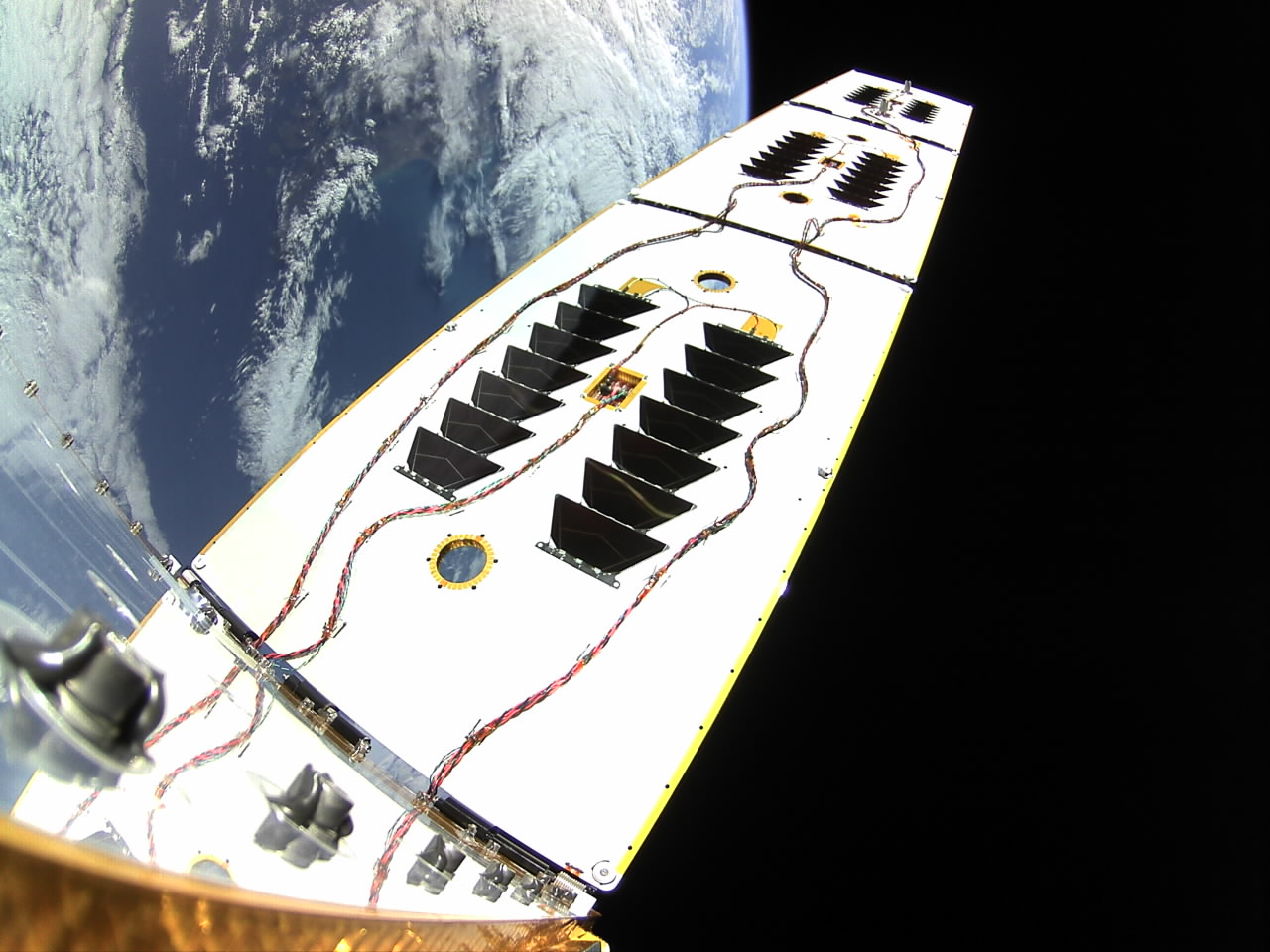
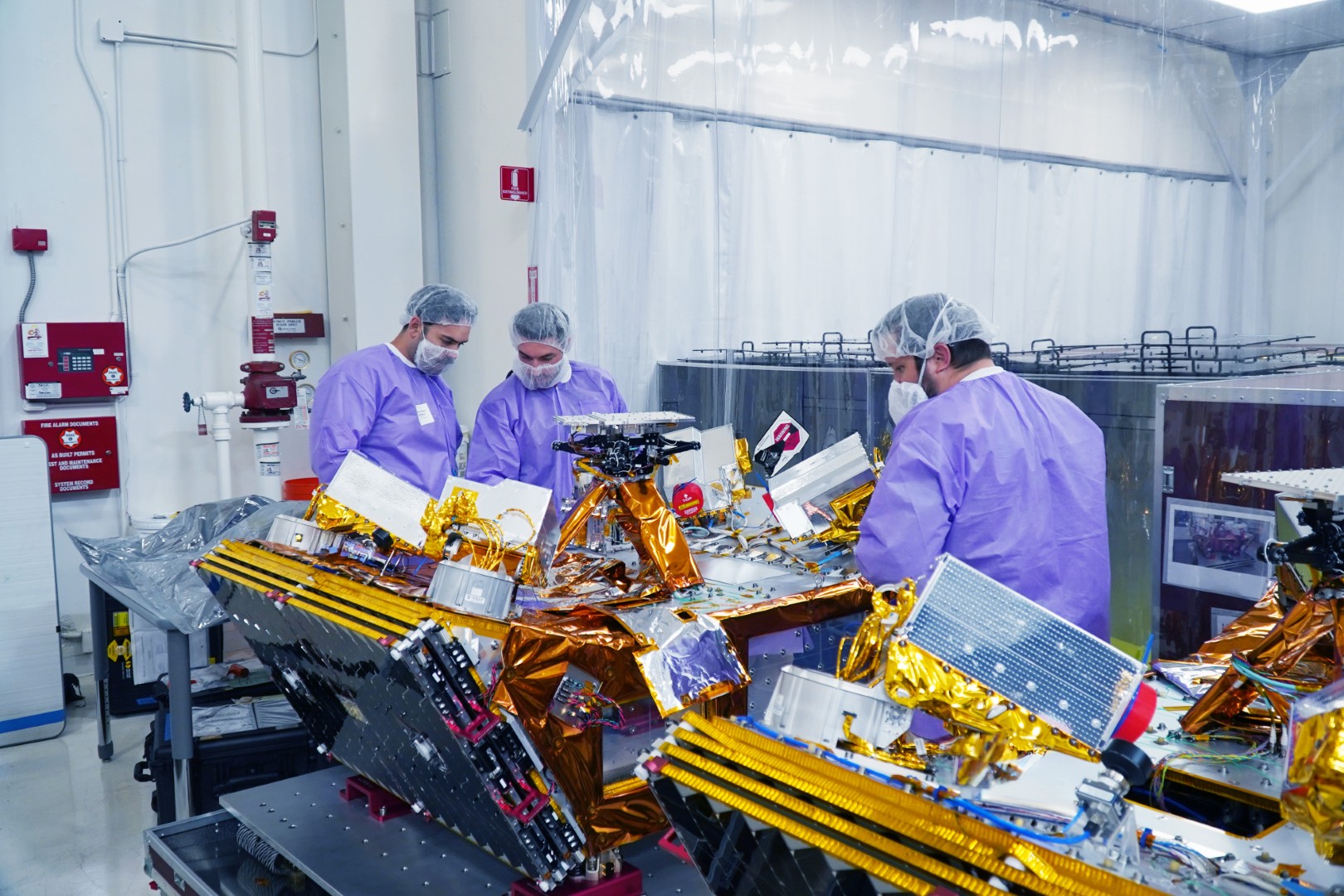
Beginning in 2027, Kepler’s Hosted Payload Missions provide accelerated access to orbit for early demonstration, operational validation, or commercial deployment, flying on 300 kg-class spacecraft with hundreds of watts of available payload power and accommodation for payloads from CubeSat-scale to small-satellite-class systems. Multiple payloads are hosted on optically linked spacecraft, enabling continuous, high-rate data transmission without ground-pass constraints. With the launch of T2 in Q1 2028, Kepler’s Hosted+ offering places payloads directly onto The Kepler Network, an always-connected optical constellation enabling persistent live streaming, low-latency tasking, distributed sensing, and high-capacity data movement for space missions.
Kepler invites organizations to submit an expression of interest outlining the payload mission concept, operational objectives, estimated data-rate and connectivity requirements, preferred hosting option (2027 Hosted or 2028 Hosted+), preliminary payload parameters (mass, volume, power, pointing, thermal), and the specific mission benefit derived from real-time connectivity. Submissions will be reviewed on a rolling basis and used to inform technical feasibility assessments, accommodation allocation, and planning for Kepler’s upcoming missions.
Early engagement is strongly encouraged, as hosted capacity is limited and integration schedules are already being established.
Kepler’s real-time data relay network is designed to enable the next generation of LEO missions that depend on persistent connectivity, high-volume data movement, and rapid access to mission insights. With hosted capacity already being allocated and a limited integration window ahead of T2, now is the time to explore how Kepler’s always-connected optical constellation can accelerate your mission impact.
Direct questions to | hosted@kepler.space